Remote Work and Talent Management in Sri Lanka: Opportunity or Hidden Risk?

In recent years Remote and Hybrid jobs have changed the way companies manage people all over the world. In Sri Lanka, this is hard to adopt due to the structures of Industries, Technology is not far advanced, and the working environment culture.
Managing people is to plan, monitor and develop is the HR’s role in this point, but to be successful in long term these methods must be in line with the company’s goal according to Armstrong (2021). Sri Lankan management in logistics and manufacturing are used to sort the best workers by watching workers directly and their presence at work. But this doesn’t work with remote work systems, because it’s difficult to judge people’s capabilities only by seeing their results without their daily behavior
This model highlights how talent identification and development must be continuously aligned, which becomes more complex in remote work environments.
 |
| Integrated talent management pipeline aligning HR practices with organisational strategy (Armstrong, 2021) |
Working remotely is an advantage on one side because it helps to expand the capabilities all around the world. For the workers in IT this improves work life balance and prevents workers from resigning. In Sri Lanka almost technical firms have started to support hybrid working and it’s helping to develop their skills globally. According to (Deloitte, 2022) this shows widening the flexibility in international level, and the results-oriented performance system.
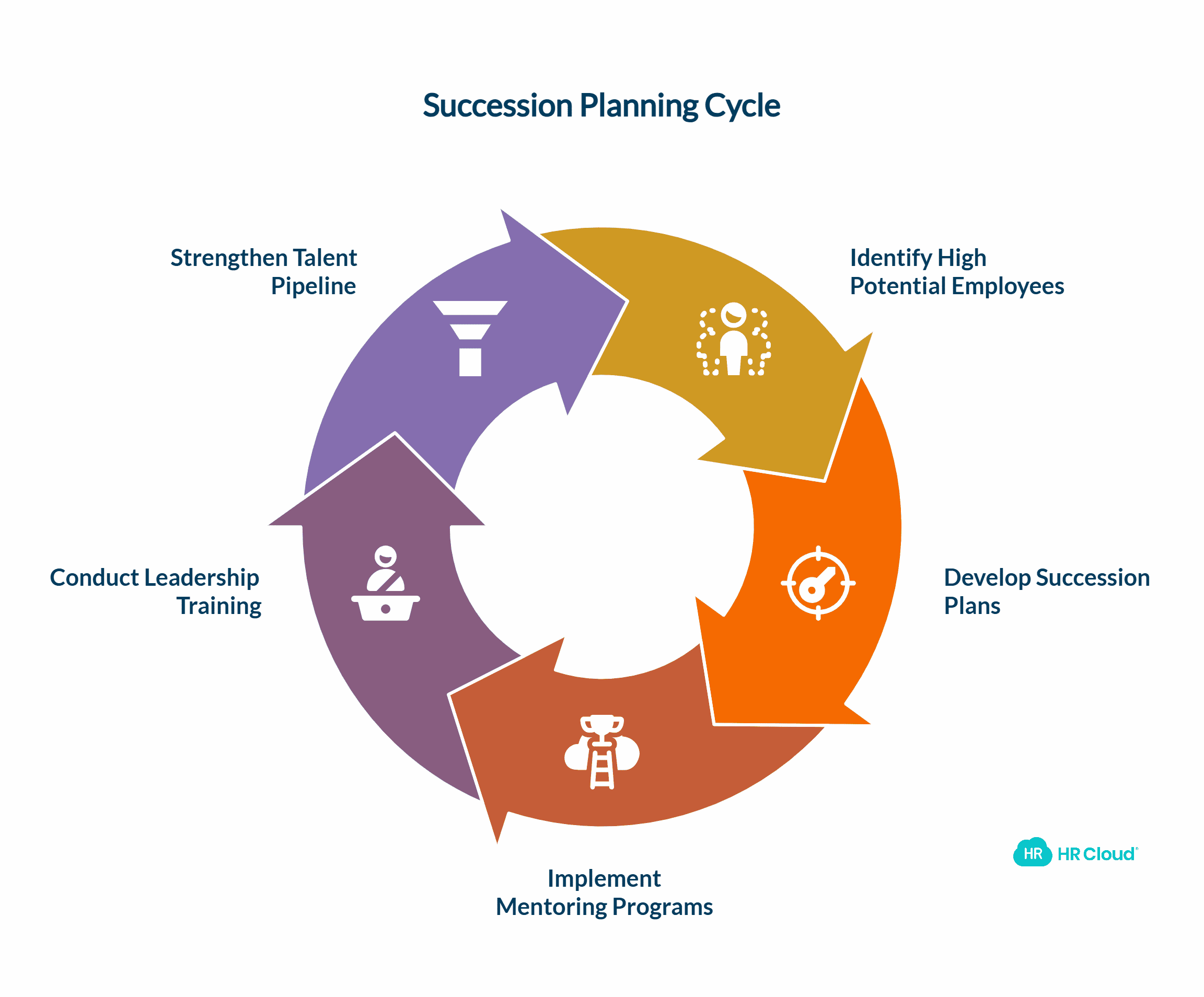 |
Succession Planning and Talent Development |
In the other side, a large risk is remaining. In supply chain and operations, teamwork, response and quick decision making are very important. Working remotely will be a disadvantage in teamwork coordination development when compared to working physically. Also, Unstable network issues, inappropriate working space, and digital tools also not equally accessible for everyone. This makes unfair in-between the workers and advantage for people who are more “visible” online (World Economic Forum, 2023).
The next issue will be how remote work will affect the company culture. Majority of Sri Lankans used to have face-to-face communication and close relationships in the working environment and it’s hard to make connections strong online. Workers feel less connected and less engaged with the company if HR doesn’t plan for clear communication and ways to get everyone involved.
 |
Key work design factors influencing employee engagement and performance in remote environments |
In conclusion, working remotely will not be an all-in-one solution for Sri Lanka. Companies has to plan in HR management as per the local needs to be successful. By utilizing digital tools properly and guiding people with correct leadership will manage talent fairly and support for long term growth.
References
Armstrong,
M. (2021) Armstrong’s
Handbook of Human Resource Management Practice. 15th edn. London: Kogan Page.
Deloitte
(2022) Global
Human Capital Trends 2022. Available at: https://www.deloitte.com/global/en/our-thinking/insights/topics/marketing-sales/global-marketing-trends/2022/human-capital-trends.html
World
Economic Forum (2023) The Future of Jobs Report 2023. Available at: https://www.weforum.org/publications/the-future-of-jobs-report-2023/


It seems good.
ReplyDeleteThank you sir. I’m glad the blog meets expectations and I will continue refining my approach in future blogs.
DeleteIt seems good
ReplyDeleteInterested. How can organisations effectively use remote work to attract and retain top talent?
ReplyDeleteOrganisations can use remote work strategically by offering flexibility, wider job access, and better work–life balance, which are key drivers for attracting talent today. However, retention depends on more than flexibility. Firms must ensure clear career progression, regular communication, and strong engagement practices. Adopting outcome-based performance management instead of time-based supervision also improves fairness and motivation. In many cases, hybrid models work best, balancing flexibility with collaboration. Therefore, remote work becomes effective only when supported by strong HRM systems and leadership practices, not as a standalone benefit.
DeleteWhat are the biggest challenges organisations face when using remote work to attract and manage talent?
ReplyDeleteThe main challenges include reduced employee engagement, limited visibility in performance evaluation, and communication barriers. Without face-to-face interaction, employees may feel disconnected, affecting retention. Managers may also struggle with fair performance assessment, sometimes relying too much on digital monitoring, which can reduce trust. Additionally, remote work increases global job competition, making it easier for talent to leave. Overall, the challenge lies in adapting HRM practices to maintain trust, fairness, and strong team collaboration in a virtual environment.
DeleteGreat post regarding remote working and talent management. I thought the point you raised about how discrepancies in access to digital tools is also creating differences among staff is very true. Specifically with regard to Sri Lanka; how many actually have a stable internet connection, how many have an appropriate working environment at home. Will this not lead to a binary workforce, where those who are amenable to working remotely are favored unfairly in talent assessment compared to those who are unable to.
ReplyDeleteThank you for highlighting this important concern. Remote work can unintentionally divide employees when internet access and workspaces aren’t equal. In Sri Lanka, this risks creating a “binary workforce” where some people are favored over others. To keep things fair, companies should offer support like infrastructure allowances, flexible options, and role-based evaluations. The real goal is to design remote work policies that bring people together, not push them further apart.
DeleteThank you for sharing your first blog. Your blog presents an interesting discussion and shows good effort in exploring a relevant people management issue. I especially liked the way you introduced the topic and linked it to current workplace realities. To make it even stronger, you could add a little more critical analysis by comparing different viewpoints and supporting key points with more academic sources. Overall, this is a very promising first blog, and I encourage you to continue developing your argument and reflective insights.
ReplyDeleteBest wishes.
Thank you for your encouraging feedback. I appreciate your suggestion on adding more critical analysis and academic support, and I will definitely work on strengthening these aspects in my future blogs. Glad you found the topic relevant and engaging.
DeleteRemote work in Sri Lanka offers flexibility and global skill growth, but HR must carefully manage talent, engagement, and succession planning. Aligning digital tools with local culture and clear leadership is key to making remote work productive and fair.
ReplyDeleteThank you for your insights. I agree that while remote work brings flexibility and growth opportunities, effective HR management and alignment with local context are critical. As you mentioned, leadership and the right use of digital tools play a key role in ensuring productivity and fairness.
DeleteRemote work in Sri Lanka offers flexibility and global skill growth, but HR must carefully manage talent, engagement, and succession planning. Aligning digital tools with local culture and clear leadership is key to making remote work productive and fair.
ReplyDeleteRemote work in Sri Lanka offers flexibility and global skill growth, but HR must carefully manage talent, engagement, and succession planning. Aligning digital tools with local culture and clear leadership is key to making remote work productive and fair.
ReplyDeleteThis is a good and clear conclusion. Remote work is helpful, but it’s important to manage it based on Sri Lanka’s needs. I agree that using the right tools and good leadership can improve employee performance and support long-term success.
ReplyDeleteThank you for your feedback. I agree that adapting remote work to the Sri Lankan context is essential for it to be effective. As you mentioned, the right tools and strong leadership can significantly improve performance and support long-term success.
DeleteInterested . This blog provides a balanced view of remote work in Sri Lanka, highlighting both opportunities and risks. I appreciate the focus on cultural and technological challenges. How can HR ensure fair talent evaluation and strong team collaboration in remote environments?
ReplyDeleteThank you for your question. HR can ensure fairness by using clear, outcome-based performance metrics rather than visibility. In addition, regular check-ins, collaborative tools, and transparent communication can strengthen teamwork. Combining structured evaluation with inclusive practices helps maintain both fairness and collaboration.
Delete